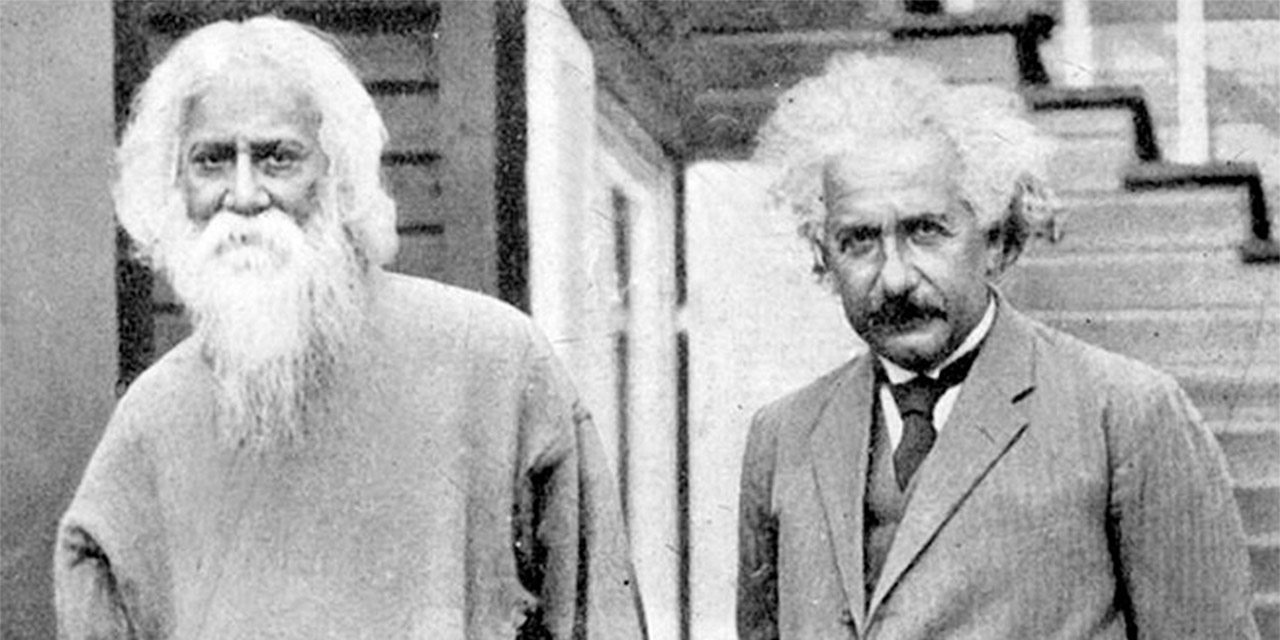
The Einstein-Tagore Dialogue (1930) In 1930, Albert Einstein and Rabindranath Tagore met in Berlin, holding a profound, published dialogue on the nature of reality. They questioned whether truth exists...
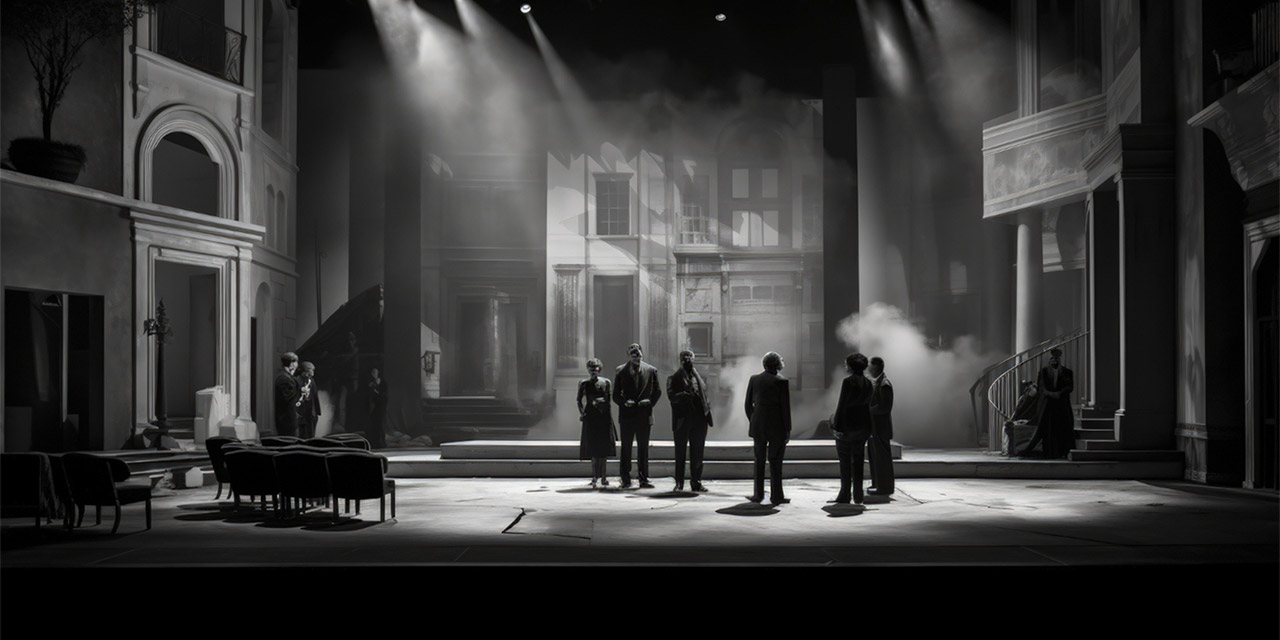
Title: The Music of the Spheres Characters: ALBERT EINSTEIN: 51. Disheveled hair, casual, holding a pipe. Methodical but curious. RABINDRANATH TAGORE: 69. Long white beard, flowing robes. Poetic, serene,...
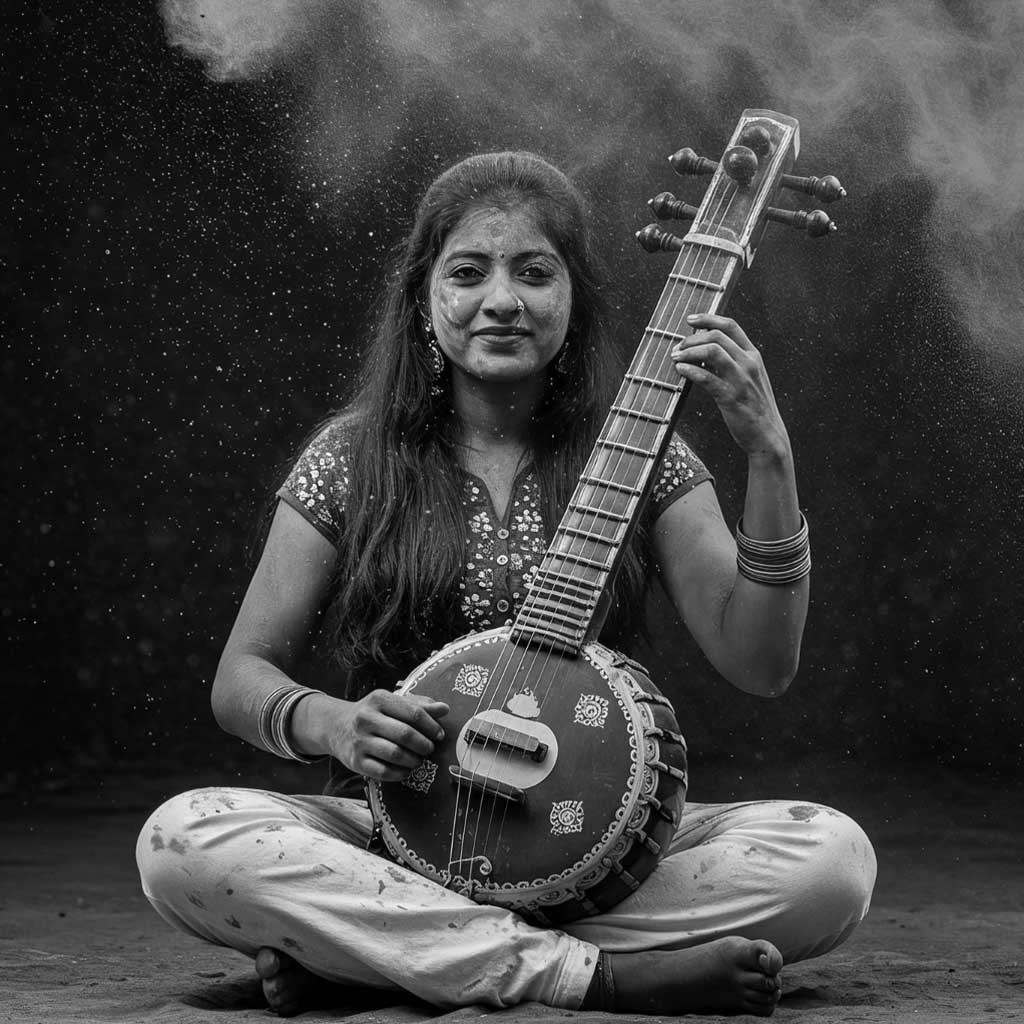
Hindustani classical music enhances meditation through slow-tempo, meditative alap (improvisation) and specific Ragas—such as Bhairavi, Kalyani, and Kirvani—which foster deep relaxation, inner peace, and spiritual connection. Instruments like the...
Plato viewed traditional poetry and theatre as dangerous, imitative, and immoral, preferring instead a highly censored, state-controlled art that promotes virtue and reason. He argued that art should be...
The most beautiful philosophical poetry spans centuries and continents, blending mystical, ethical, and metaphysical thought into lyrical art. Key examples include Rumi’s ecstatic mystical verses, the profound natural balance...
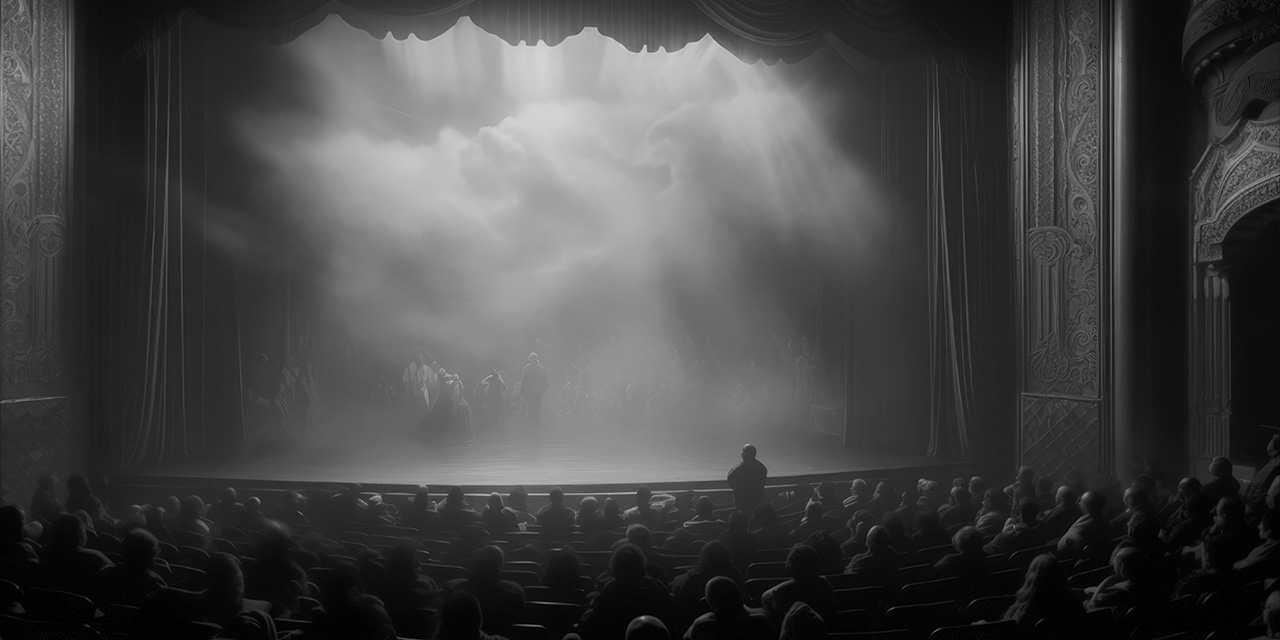
Plato’s Allegory of the Cave acts as a potent metaphor for theater or cinema, where shackled prisoners (audience) mistake shadow-plays (film/performance) for reality. The puppeteers represent creators controlling narratives,...
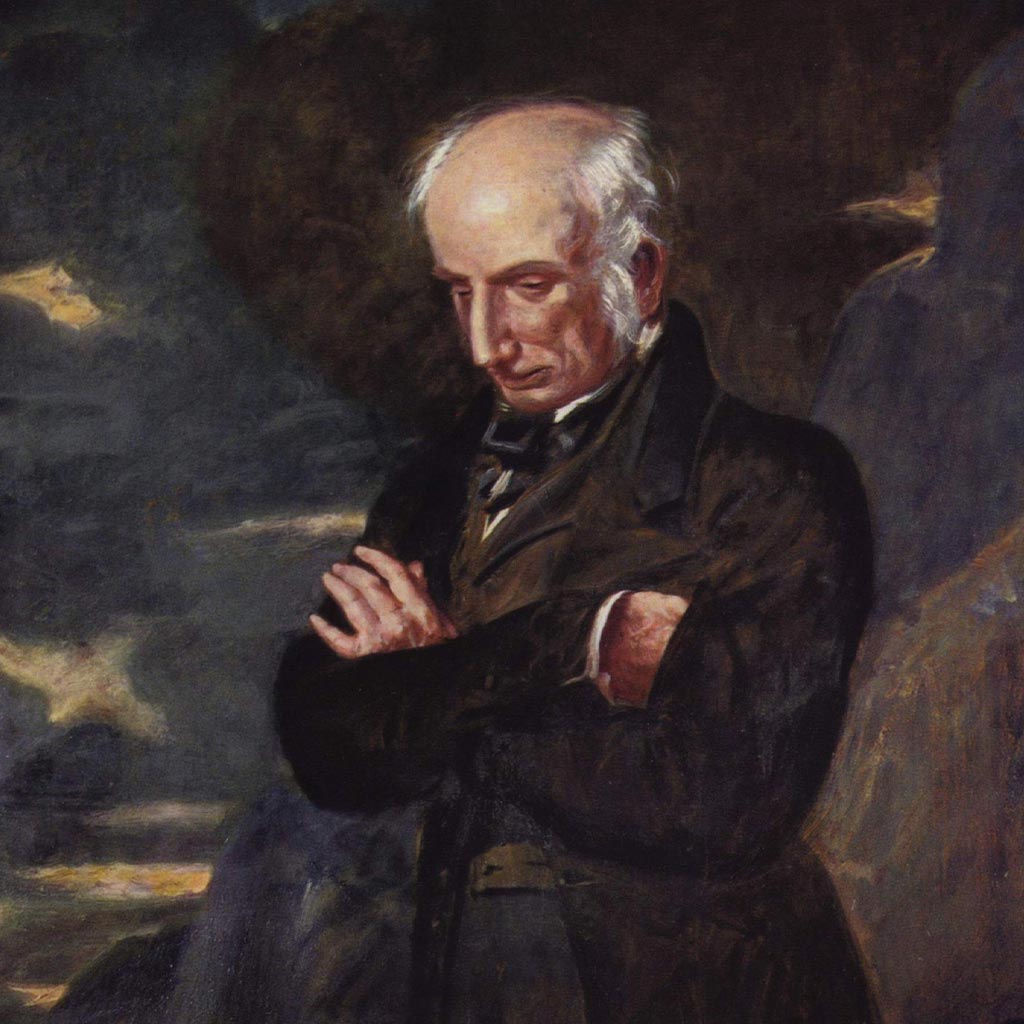
(1770–1850) was a central figure of the Romantic movement, famously redefining poetry as the “spontaneous overflow of powerful feelings” that are “recollected in tranquility“. His work revolutionized English literature...
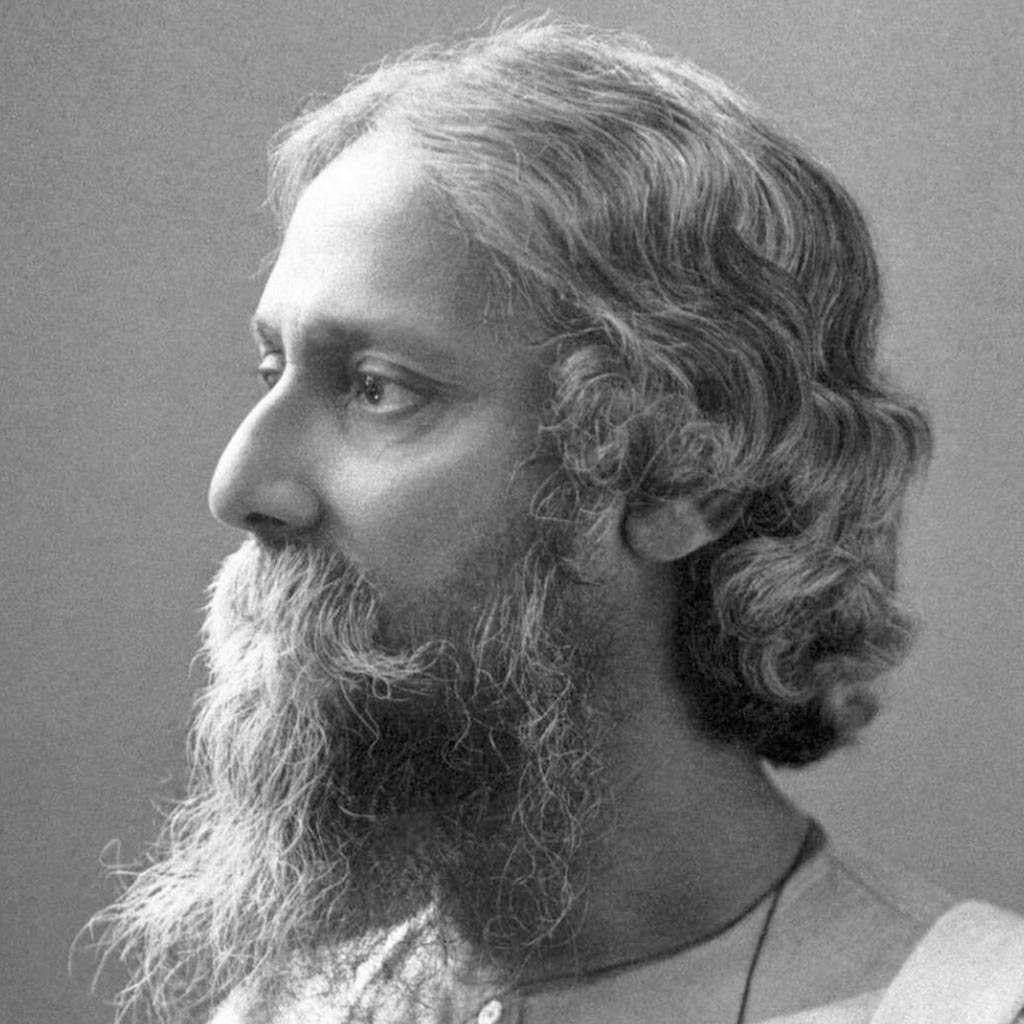
Rabindranath Tagore’s best philosophical poems, largely drawn from his Nobel Prize-winning Gitanjali (1910) and , Naivedya (1901), explore themes of spiritual unity, existential freedom, and the divine within humanity....
Mystical poetry bridges Eastern and Western traditions through themes of divine love, self-purification, and inner spiritual experience. Key Mystical Poets (East & West) Rumi (Persia/Turkey): Known for Masnavi, focusing...
The “Big Six” English Romantic poets William Wordsworth, Samuel Taylor Coleridge, John Keats, Lord Byron, Percy Bysshe Shelley, and William Blake—defined the era (roughly 1790–1850) with themes of nature, intense...