
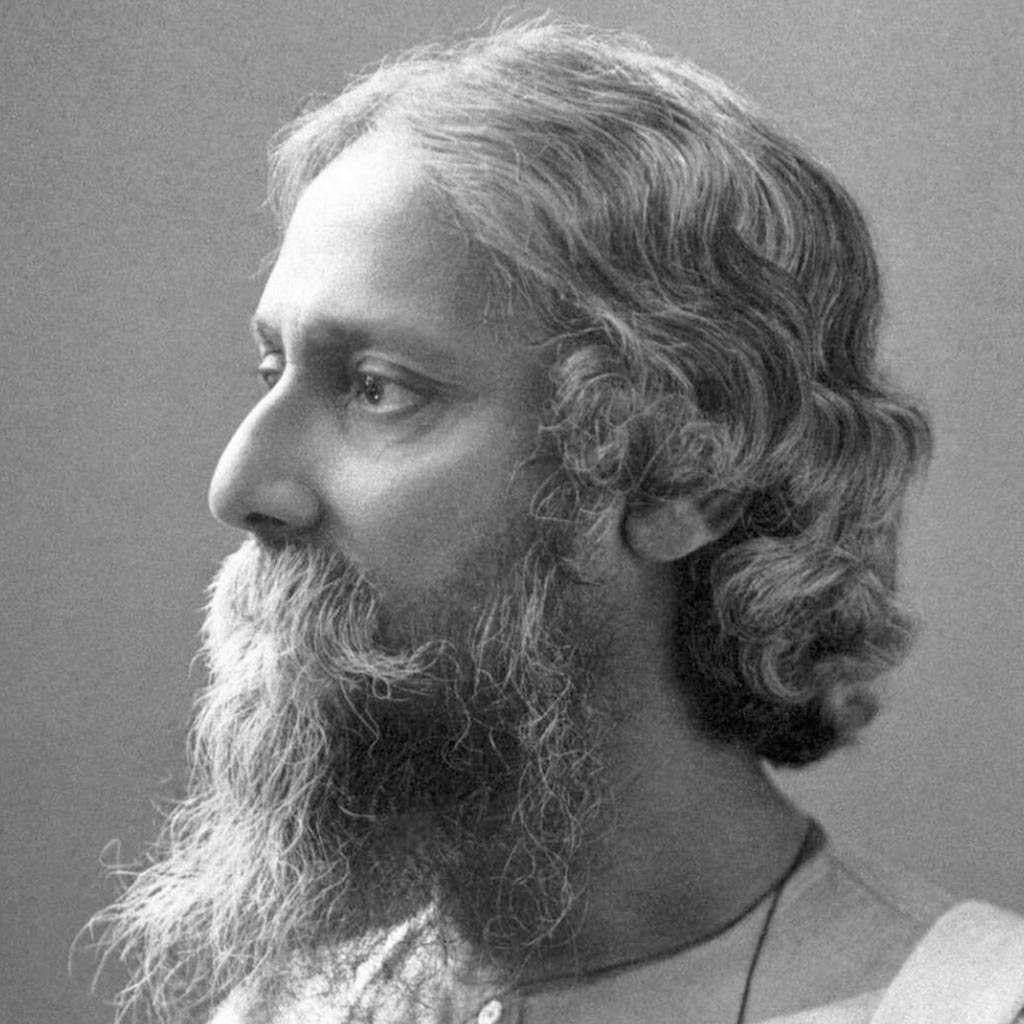
Rabindranath Tagore’s best philosophical poems, largely drawn from his Nobel Prize-winning Gitanjali (1910) and , Naivedya (1901), explore themes of spiritual unity, existential freedom, and the divine within humanity. Key works include “Where The Mind Is Without Fear,” “Endless Time,” and “Leave This Chanting”.
Key Philosophical Poems:
- “Where The Mind Is Without Fear” (Gitanjali 35): A profound prayer for a, world without, intellectual, or, geographical, boundaries, emphasizing reason, and truth.
- “Gitanjali” (Song Offerings): A collection of 103 poems focusing on the, soul’s, connection, to the, divine, and the, beauty, of, life.
- “Endless Time” (Gitanjali): Reflects on the timeless nature of the divine and the, eternal, cycle, of life.
- “Leave This Chanting” (Gitanjali 11): A, critique, of, ritualistic, worship, urging, people, to find, God, among, the working, masses,.
- “The Golden Boat” (Sonar Tari): Explores the, ephemeral, nature of, human, achievement, and, life.
- “Face to Face” (Gitanjali): A meditation on, direct, spiritual, experience, and, personal, connection, with the, Divine,.
Themes and Significance:
- Spirituality & Nature: Many poems, found in collections like Kheya and *Chitra, reflect a deep, mystical, bond with nature and the cosmos.
- Humanism: Tagore often focuses on, the, divinity, within, the, individual, and the importance of, human, freedom.
- Existentialism: His works often touch on the, meaning, of life, and the inevitability of death.
These poems are, celebrated, for their, lyrical, depth, and, profound, insights, into, the, human condition.
