
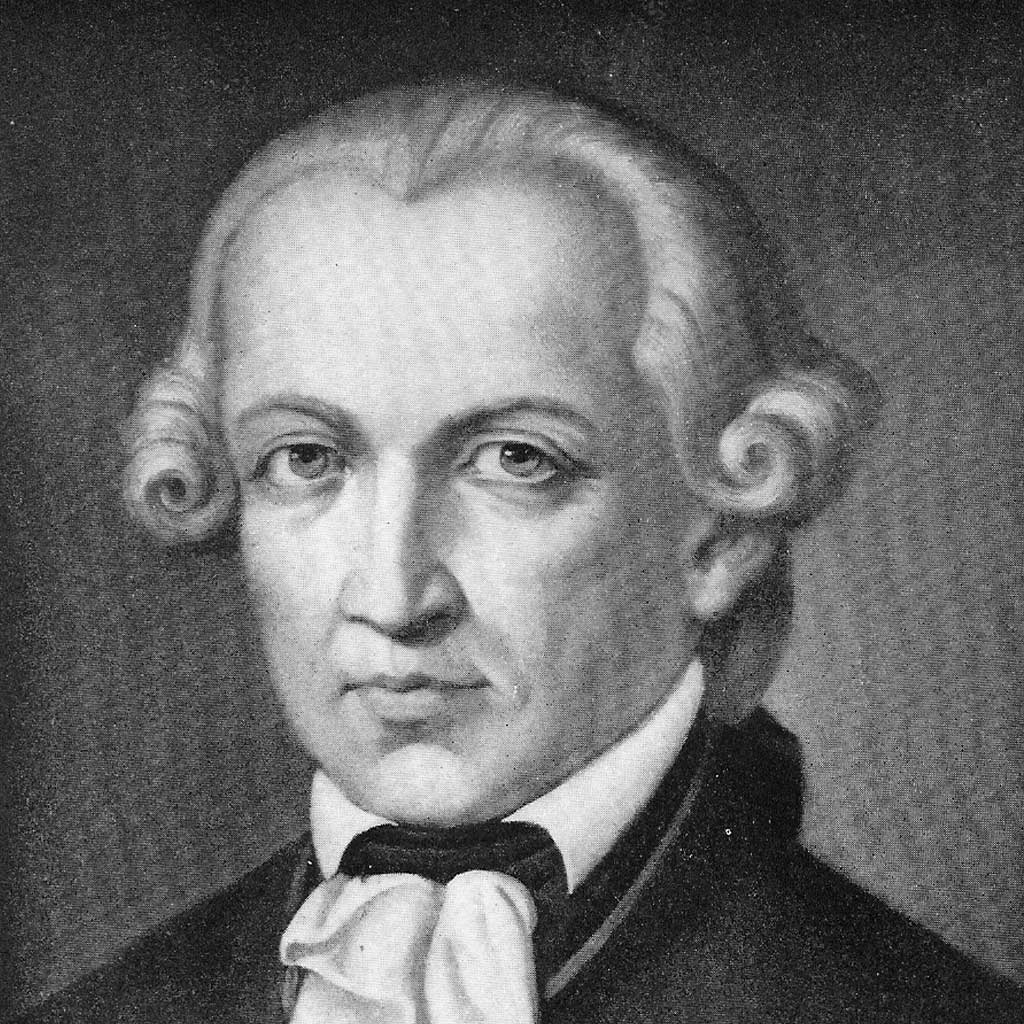
The main objective of this study is to explore Immanuel Kant’s Critique of Metaphysics and his Refutation of Idealism in its proper sense in order to eliminate some of the mis judgments of Kantian notions in the history of Western Philosophy. This study especially focuses on Immanuel Kant’s Prolegomena [1783] which has been written as an Introduction to his First Critique, the Critique of Pure Reason [1781], in a readable summary form to explain his philosophical intentions of the Critique and to eliminate the misunderstandings of the core message and the methodology of the Critique of Pure Reason as Kant himself mentioned in his Prolegomena.
The Critical and Phenomenological Hermeneutic Methodology is being used in this study to analyze Immanuel Kant’s original writings with special reference to the Critique of Pure Reason and the Prolegomena. Immanuel Kant himself contributed immensely to the development of critical and phenomenological hermeneutic methodology and its later development in the 20th Century.
The Prolegomena to the Future Metaphysics, which will be come forth as Real Science is the title given to his introductory book as in the 18th century classical style. The title itself explains the novel intention of his philosophical message and his interpretations of metaphysics with an entirely new meaning and expression as opposed to the traditional explanations. The misinterpretations of the Critique is based on the misunderstandings of the term ‘metaphysics’ in the traditional sense without understanding Kant’s specific interpretation of the term ‘metaphysics’ in its practical existential critical meaning. He explained the practical and ontological sense of metaphysics of Reason and Understanding rather than conceptual speculative metaphysics. Immanuel Kant criticized the conceptual dogmatic metaphysics and refuted traditional Idealism as baseless pretensions. Kant refuted metaphysics as so-called science and wanted to elevate the meaning of metaphysics in its true scientific sense.
One of the main tasks of the Critique of Pure Reason and Prolegomena is to show how mathematics and natural sciences are possible as defenses against Hume’s skeptical conclusions. He explains by showing how there can be a priori knowledge of space and nature; how there can be a system of universal truths about space and nature while these realities one always confirmed by experience though they never can be derived from experience. The fundamental principles of such a system would be neither empirical science nor speculative metaphysics, but in the sense of metaphysics as real science he shows how metaphysics is possible in a true scientific sense. In this task Kant explores the illusions of speculative metaphysics and critique of theoretical proofs of metaphysics and substitutes metaphysics as real science- the science which evolves in a systematic connection to the whole body of philosophical wisdom which will transcend the antinomies. The exposition and eradication of the illusions of idealism and his suggestions for an immanent metaphysics were explained in the sections of 40 to 56 in the Prolegomena and in the ‘Transcendental Dialectic and the ‘Methodology’ of the Critique of the Pure Reason. This most important philosophical mission, the construction of a science of metaphysics is accomplished in his other writings.
The Critique of Pure Reason and Prolegomena are only preparatory methodological studies for this problem. Kant has written Metaphysical Foundations of Natural Science [1786], Foundations of the Metaphysics of Morals [1785] and Metaphysics of Morals [1797] to develop metaphysics as a science in its true meaning and to refute speculative dogmatic metaphysics as groundless Idealism.
This study reveals that in the expositions on the Critique of Metaphysics and Refutation of Idealism, Immanuel Kant tries to explore the different levels of deeper nature of reason and an integral Philosophical Methodology for all the Social Sciences, Ethics and Natural Sciences. The recent developments in the fields of Philosophy of Science, Philosophy of Social Sciences and Ethics should utilize this Kantian integral methodology for the complete understanding of their relevant fields and to accomplish the unity of theoretical and practical reason. Kant’s very deep and rich style of philosophizing fundamental issues of philosophy is one of the major causes for the misunderstanding of the core message of Critique of Pure Reason. But in the Prolegomena Kant tries to simplify the language and the issues of first Critique in order to uproot the misjudgments of his message and methodology. In his task he was fairly successful though still the misunderstandings prevail in some of the philosophical movements in the contemporary western philosophy, e.g. as in the logical positivism, though he warned against those kinds of misjudgments in advance in his Prolegomena.
References
- Immanuel Kant (1964). Critique of Pure Reason. Trd by Norma Kemp Smith, Macmillan & Co Ltd, London
- Immanuel Kant (1783). Prolegomena to Any Future Metaphysics Trd by Lewis, White Beck [1950], The Liberal Arts Press, INC. USA
- Immanuel Kant (1786). Metaphysica Foundations of Natural Sciences Trd By Ernest Belfort Bax [1891], George Bell and Sons. London, Ed
- Paul Guyer (1994). The Cambridge Companion to Kant. Cambridge University Press, USA
Originally presented at: Proceedings of the Peradeniya University Research Sessions, Sri Lanka, Vol. 13, 18th December 2008.
M Rajaratnam
Department of Philosophy and Psychology, University of Peradeniya, Sri Lanka
