
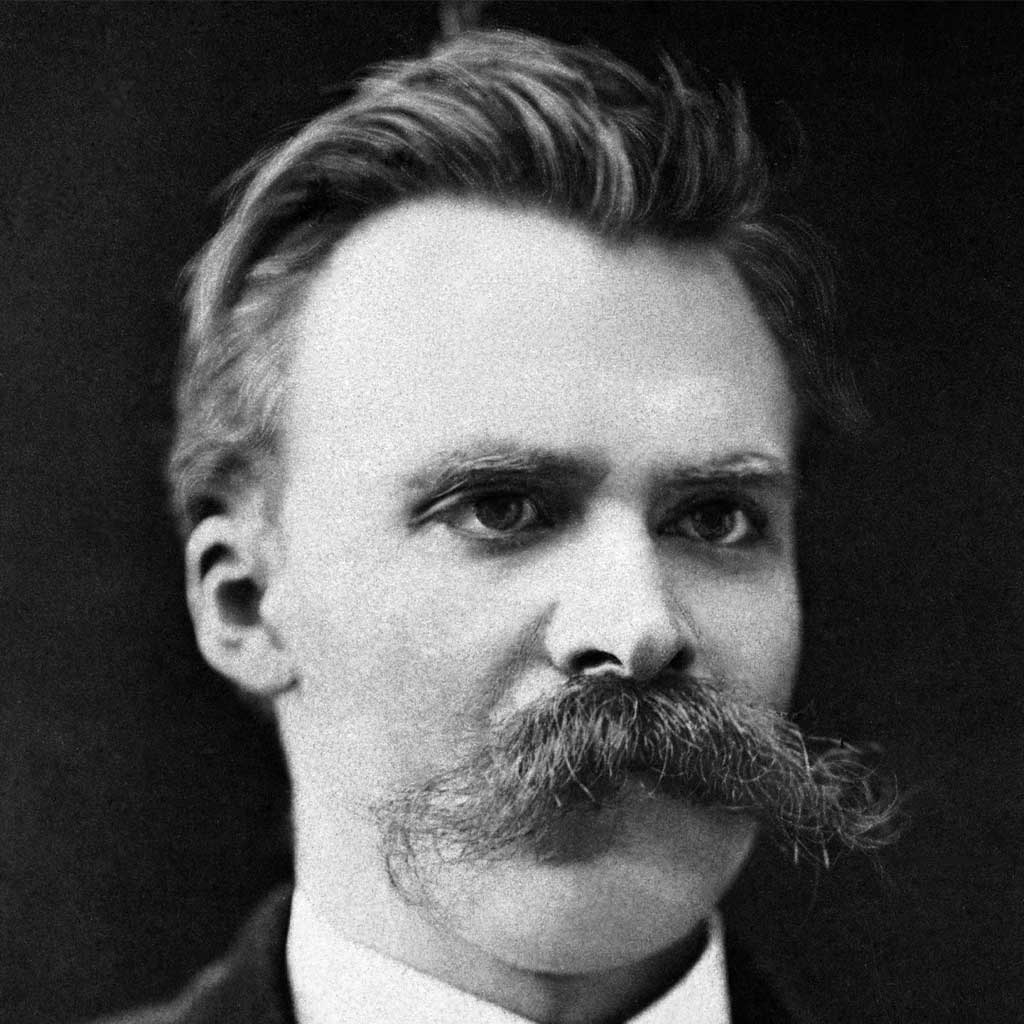
That is a powerful synthesis of Nietzsche’s most “explosive” work. Thus Spoke Zarathustra isn’t just a book of philosophy; it’s a psychological gauntlet. By framing it as “philosophy theater,” you’ve hit on why it remains so visceral—it’s meant to be felt and performed, not just read.
To dig deeper into the core mechanics of Zarathustra’s journey, it helps to visualize the psychological progression Nietzsche demands of us.
The Architecture of the Spirit
The “Three Metamorphoses” serve as the foundational roadmap for the individual’s evolution. It is a process of unlearning as much as it is of creating.
The Camel: The spirit that kneels, asking for heavy burdens. It represents the phase of tradition, discipline, and “Thou Shalt.” It seeks to test its strength by carrying the weight of existing morality.
The Lion: The spirit that wants to capture freedom and be lord in its own desert. It confronts the “Great Dragon” of traditional values and says “I Will.” It creates the space for new values by destroying the old.
The Child: The final stage—innocence and forgetting, a new beginning, a “sacred “Yes.” The child represents the pure state of creation where the individual plays the game of life for its own sake.
The Existential Litmus Tests
Nietzsche introduces two concepts that function as the “dynamite” you mentioned. They are designed to shatter mediocre existence and force a radical revaluation of life.
1. The Übermensch (The Overman)
The Übermensch is the meaning of the earth. Nietzsche famously writes:
“Man is a rope stretched between the animal and the Übermensch—a rope over an abyss.”
This isn’t about biological evolution or “superiority” in a political sense (a common and dangerous historical misinterpretation); it is a psychological goal. The Overman is the one who has conquered their own internal chaos and replaced the “dead” God with their own self-authored meaning.
2. Eternal Recurrence
This is the ultimate “weight.” Nietzsche asks: If a demon crept after you and told you that you had to live this exact life, with every pain and joy, infinitely repeated, would you fall down and gnash your teeth? Or would you crave nothing more fervently than this “ultimate eternal confirmation”?
Why the “Theatrical” Approach Matters
The choice of the Schauspielhaus Zürich to treat this as a Gesamtkunstwerk (a total work of art) is brilliant because Nietzsche wrote in a way that mimics music and dance. He despised “spiritless” logic.
Dionysian Energy: Nietzsche believed truth is better expressed through the body, laughter, and dance than through dry academic prose.
The Satire: Much of Zarathustra is a parody of the New Testament. Zarathustra is a “mock-prophet” who constantly warns his followers not to follow him, but to find themselves.
By moving from the “Camel” of heavy tradition to the “Child” of playful creation, the reader—or the audience member—is forced to confront the void left by the “death of God” and decide if they have the courage to fill it.
