
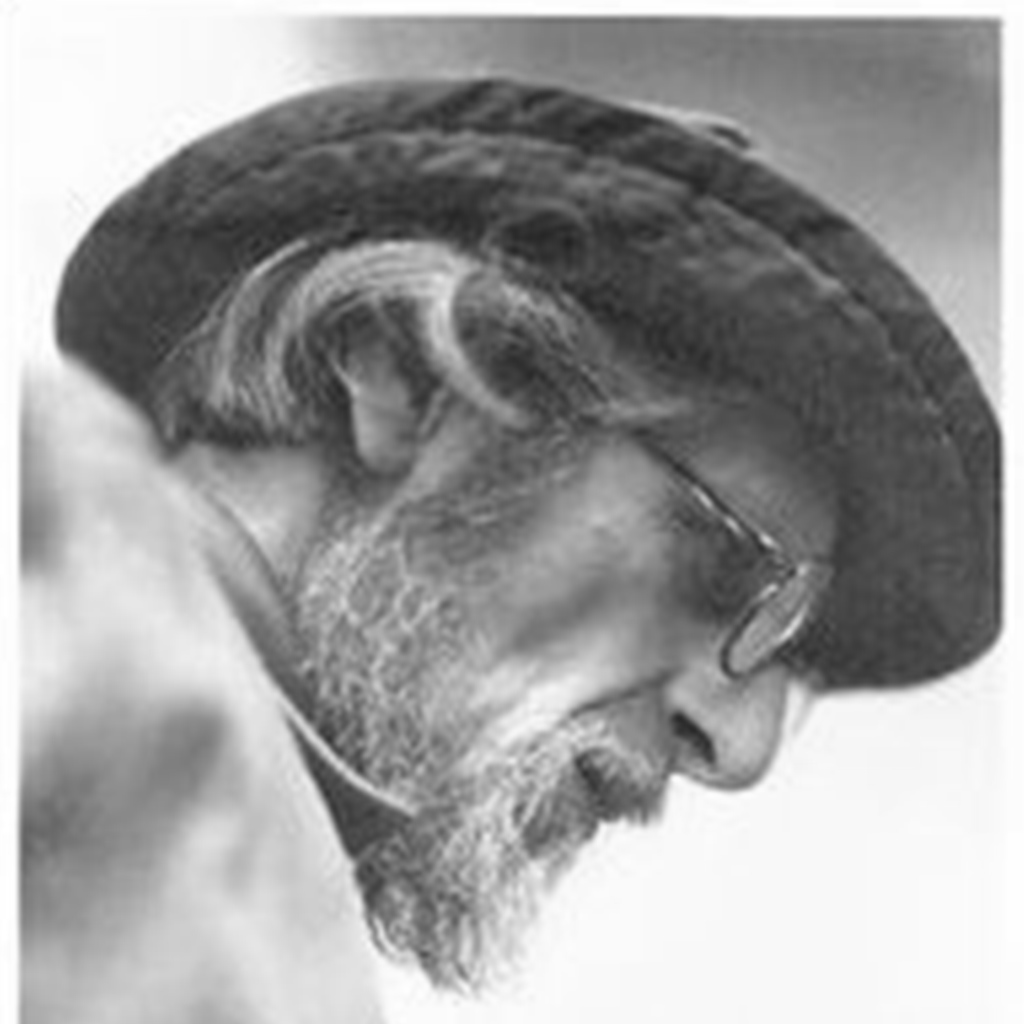
Ananda. Kentish Coomaraswamy [1877-1947] was a cardinal figure in the twentieth century art history and in the cultural confrontation between East and West. He was one of the most distinguished and tireless exponent of perennial Philosophy. Coomaraswamy was born in Colombo in 1877of mixed Tamil and English parentage, he was educated in England , and got his D.Sc degree in Geology in 1905 from University of London for his discovery of ‘Thoronite’ in Sri Lanka. He was the Director of the Mineralogical Department of Ceylon for four Years and while he was traveling on geological mission he evolved as an Art historian, Art Critic and Philosopher in order to protect the art and culture of our own. He urged Eastern People to protect their indigenous culture and interpreted the philosophical bases of Asian Culture to the West while introducing the classical West to the West. Ananda. Kentish Coomaraswamy’s intellectual career started with the Aims of Indian Art and Medieval Sinhalese Art [1908] and ended with Am I Brother’s Keeper and Time and Eternity [1947]. His Profound understanding and knowledge of the sources of many cultures of both the East and the West led him, to explore the perennial Philosophy showing the illustrations from the classical literature of various human cultures that their apparent diversity is in fact merely dialects of one and the same Universal language. He served in the Boston Museum of Fine Arts as a curator of Indian and Mohammedan Art for thirty years from 1917 to 1947, that was his most creative period. This research paper intends to explore Coomaraswamy’s contribution towards Philosophy of Asian Art, comparative aesthetics and cross-cultural understanding.
Coomaraswamy’s writing, about thousand items cover the history of art , Aesthetics, Metaphysics, Anthropology, Sociology, Nationalism, Philosophy of Science, Education and Other Disciplines. Apart from his monumental scholarship Coomaraswamy was master of several languages e.g. Sanskrit, Greek, Latin, Italian and German, He draws in his writings on Plato, Eckhert, Aquinas, Sankara and Dante to Illustrate the Universality of some symbolic themes. In the whole rage of cultures he studied, from the most primitive to the Christian, Islamic, Indian and Chinese; he found the traces of Perennial wisdom, of as exemplified by the art traditions of those cultures. According to Coomaraswamy Indian art is not merely Indian but human and Universal. He does not perceive any fundamental distinction of Art, as National, Indian, Greek or English. All art interprets life. Creative art and Aesthetics are inspired by the unity of experience from the realization of complete oneness; the artist feels the universal truth which transcends all the barriers, cast, creed and Nationality. Coomaraswamy’s Contribution towards, Asian Philosophy of Art, and Comparative Aesthetics promote the cross- cultural understanding of Nations and people.
Keywords: Asian Art, Comparative Aesthetics, Cross-Cultural understanding, Universal Language
M Rajaratnam
Department of Philosophy and Psychology, University of Peradeniya, Sri Lanka
