
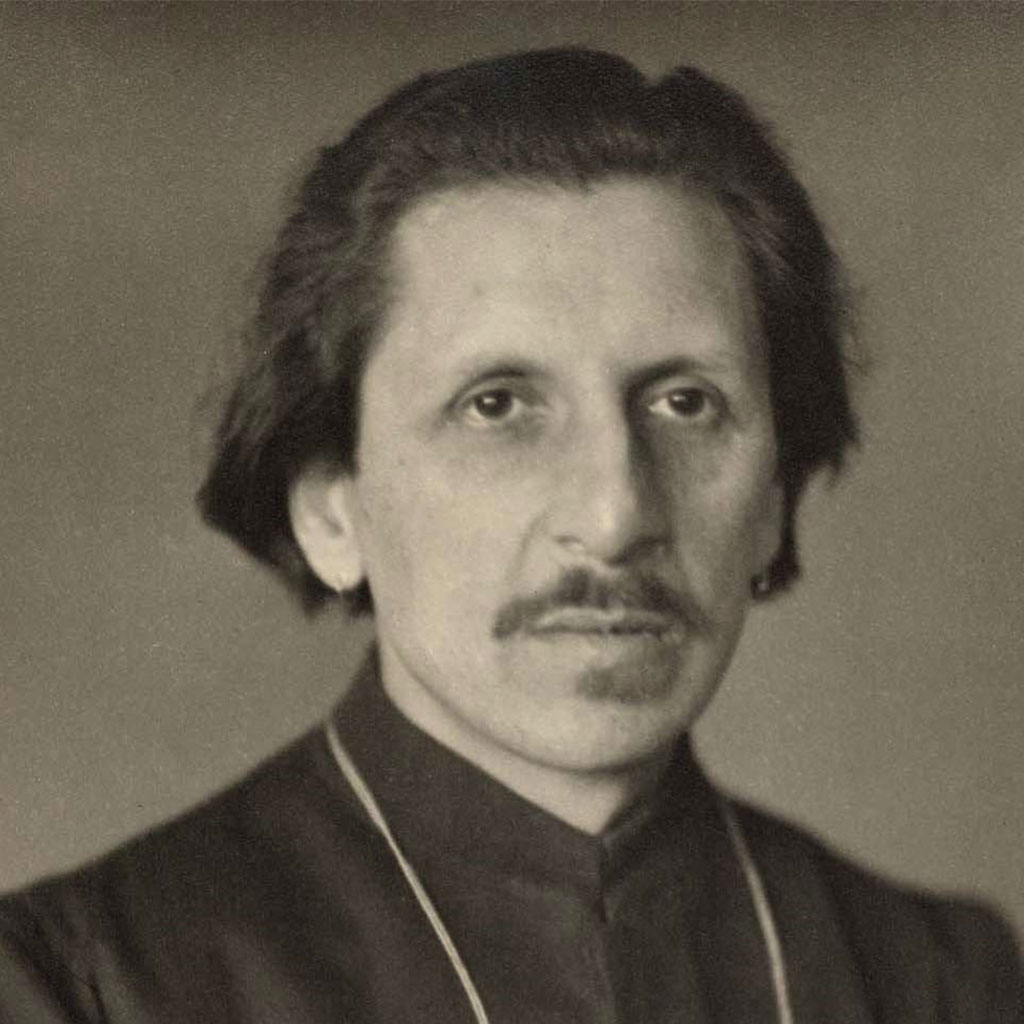
Prof. S. Krishnarajah Memorial Lecture 2020
University of Jaffna
By
MALLIKA RAJARATNAM
DEPT OF PHILOSOPHY
UNIVERSITY OF PERADENIYA
SRI LANKA
Introduction/Biography of AKC
AKC was a unique exponent of Universal Philosophy or Perennial Philosophy
Born in 1877 August 22nd in Colombo
Educated in England got his D.Sc. In London University -1905
Introduced Eastern values to the West
While introducing the Classical West to the Modern West
Introduction
Through His Geological Mission he evolved as Art historian , Art Critic, Art Philosopher.
He Wrote on Many Fields Science, History of Art, Philosophy of Art Metaphysics, Literature, Psychology, Nationalism and Education and so on..
More than Thousand items, hundreds of Books All rooted in his Universal Philosophy.
Universal Philosophy of AKC
Integral universal understanding of world Philosophy and world cultures
Theory of Suggestion hermeneutics/Dhvani
Subjective universality/ Inter-subjectivity
Universal vision of Philosophia- Perenis
Universal Philosophy is the root of his Philosophy of Art and comparative Aesthetics and cross cultural understanding
Writings on Science
Report on Thorianate and Thorite- 1904
Mineralogical note -1904
Contribution on to Geology of Ceylon- 1904
Geology of Ceylon -1905 D.Sc. Thesis
Articles in Roger Lipsey’s Volumes Coomaraswamy Selected papers on ‘Kha’
Volumes I & II selected papers and III
Writings on History of Art
Open Letter to the Kandyan Chiefs- 1905
Kandyan Art : What it meant and how it Ended – 1905
Unfamiliar Kandyan Literature – 1905
Mediaeval Sinhalese Art -1908
Domestic Handicraft and Culture- 1908
Indian Bronzes 1910
The Modern School of Indian Paintings-1911
Indian Drawings-1912
Rajput paintings 1912
Arts and Crafts of India and Ceylon- 1912
Bronzes from Ceylon- 1914
The Cave paintings of Ajanta- 1916
Writings of Art History and Philosophy
The Dance of Shiva- 1918, [Collection 14 articles, ‘What has India Contributed to the World’ Civilization, Theory of Art in India, Beauty as state of Being etc.to The article on Nietzsche]
History of Indian and Indonesian Art- 1927
Introduction to the Art of Eastern Asia 1932
AKC’s Writings on Philosophy of Art and Aesthetics
Aims of Indian Art -1908
Hindu View of Art – 1914
Meister Eckhart’s Theory of Art- 1934
The Techniques and Theory of Indian Art-1934
Understanding art of India- 1934
The Intellectual operation in Indian Art- 1935
Mediaeval Aesthetic : Mediaeval Theory of Beauty- 1938
Asiatic Art- 1938
The Nature of Buddhist Art – 1938
Philosophy of Mediaeval and Oriental Art-1938
The Christian Oriental Philosophy of Art or True Philosophy of Art- 1939
The Transformation of Nature in Art [1934]
The Theory of Art in Asia
Meister Eckhart’s Views on Art
Reactions to View of Art in India
Aesthetic of Sukranitsara
Paroksa- [Direct perception or Intuition]
Abhasa-[Reflection]
The origin and the use of images in India
Figures of Speech and Figures of Thought
The Nature of Mediaeval Art – 1940
Why Exhibit works of Art – 1941
Samvega- Aesthetic Shock- 1943
A Figure of Speech and A Figure of Thought- 1946
Figures of Speech and Figures of Thought-1946
AKC’s writings on Art Criticism
The Appreciation of Art- 1927
An Approach to Indian Art- 1935
The Jain Paintings – 1935
The appreciation of Unfamiliar Art- 1936
The normal View of Art -1936
What is the use of Art Anyway- 1937
AKC’s writings on Nationalism
Open Letter to the Kandyan Chiefs 1905
Anglicization of the East1906
The Deeper Meaning of Struggle- 1907
Essays in National Idealism- 1909
Art and Swadeshi 1911
Education in Ceylon- 1911
AKC’s Comparative Aesthetics
Reconciliation of Eastern, Indian and Western – Universal Message
Exploring common Humanity and Universal Humanism
While preserving each and every specific culture- maintaining the Universality of all the cultures- Philosophia Perrenis
Sociological and Anthropological and Historical Approach
Explores Art of Classical East and West
Art as skill in action/Plato /Asian
Plato, Neo Platonism/ Christian/Medeiaval
Medieval Persian and Christian and Oriental Art and Islamic Art as a Bridge of East and West
East Asian /West Asian And Mohammad an Art
Explored East to the west and Critical on Modern attitude of the west
Different cultures are different Dialects of one and the same universal language
Universalism and Humanism of Asian Art
‘Indian Art is not merely Indian but human and Universal’- AKCoomaraswamy
‘I do not Perceive any fundamental distinction in Art, as Greek, English, Indian or National, All art Interpret life’ AKC
‘Human nature ha nothing to do with time’ Eckhart, Karl Marx’s Common Man in Communist Manifesto
AKC’s Message
His Universal Philosophy/comparative still have the contemporary relevance
Reconciliation of East and West is a meaningful integration
Unity in diversity, While preserving each and every culture maintaining the Universality/ Interpersonal Relations
Preserving each every culture maintaining the universal understanding – and Values
Perennial Philosophy and Spiritual secularism of AKC
Spiritual secularism of Perennial Philosophy and Phenomenology
Explores Common Humanity in all cultures
Transcends exclusiveness in all the Cultures and Art
AKC one of the pioneers of Perennial school with Rene Guenon and Frithof Schuon.
Spiritual Universalism in Upanishads/Indian and Platonic
Essential contribution of India ‘Indianness’
Eternal Experience in practical life
Experiencing oneness of all beings Isha U
Bases for Interpersonal/ transcultural and the notion of the ‘other’
Beauty as a state of being in this sense. Mathematical Universality/sublime in Art
Interdisciplinary approach/ Indian Asian, Greek and Medieval European Art
Universality of Indian Art and Traditional Art forms of Asia and Medieval Europe which were expressions of deeply rooted Philosophia-Perennis connected Ethics
Ananda Coomaraswamy observes “Indian Art – not merely Indian but human and universal” in all the expressions
cont….
Art and Ethics, Epistemology and Rhetoric
Reconciles Spiritual East and Classical West and interdisciplinary approach of Plato and the Upanishads
Universal Philosophy or Philosophia Perennis as Science of sciences root of all sciences
Metaphysical Foundations of Art and Aesthetics
Phenomenology in Indian Art and Medieval European Art
Phenomenological expressions and existential Art of India and Medieval Europe. Upanishadic Monism
Explores the deeper levels of Intercultural understanding and Communications. Truly universal and cosmopolitan outlook
Phenomenology of Non dualistic experiential Understanding
Tranquil wisdom and Art / Catharsis
Inter-relation between Science Art, Ethics, Religion, Philosophy
In Traditional Theory all these issues are closely connected/one Consciousness
Science and Mathematics are the bases of Artistic expressions/communications
Art Religion and Ethics are inseparable in Traditional Theory and all rooted in the Universal Philosophy/Perennial Philosophy
Theory of suggestion ‘Dhvani’ and Hermeneutics in Art
Dhvani is in Indian Art as Hermeneutics
Hermeneutical messages of Traditional Art forms Suggestion/ Intention
‘Art is the imitation of Nature in her manner of operation.’
St. Thomas Aquinas
Hermeneutic expression of holistic Reality
Art as the powerful communication for trasformation
AKC’s unique Expression of Buddha Image and origin of Buddha Image
Art as Contemplation/ Hermeneutic message of Buddha’s silence.
Writings of Hinduism and Buddhism gives the comparative Understanding of deeper messages of Indian and Asian messages.
Transcultural and Universal Communication
AKC’s Universal Rhetoric as trans cultural universalism/effective communication
Unique expressions of comparative Aesthetics connects the whole of Humanity
Traditional school of thought and Perennial Philosophy explores the trans-cultural communication.
Art as Imitation of Highest Reality
The mere imitation of nature is not attempted by Indian, East Asian and Medieval European Artists.
They concretized the vision arrived at by inward contemplation. The first principles of these artistic expressions are universal and Existential Hermeneutics.
Symbolism in Indian and Medieval Art and Universality
All creative art and Aesthetics are inspired by the unity of experience from the realization of complete oneness;
the artist feels the universal experience which transcends all barriers
Symbolism is the expression of Universal Reality/ Indian and MediavalEuropean
Art as Yoga or Artistic Contemplation of Perennialism
Indian, Asian and Medieval European art is idealistic in phenomenological sense and Indian art is specifically monistic or non- dualistic.
Art as Yoga and Tranquil wisdom, AKC quotes all the original sources to communicate these contemplative nature art. His Monumental scholarship is Unique
Art as a form of Cognition
Art as form of higher cognition in the Classical East and the West/ Medieval
Art as expression of universal wisdom
Nothing intelligible could have been thought f as Beautiful’ Christian and Oriental Philosophy of Art.
Critique of Modernity and Scientism
AKC as a Perennial Philosopher a cardinal critic of Scientism, Positivism and the so called scientific methodology in education
Post Renaissance and Modernity as so- called formal scientific expression /limited
Scholars of Perennial school emphasized the integral reality of Science and Mathematics
Art Mathematics and Universal Communication
Art and Mathematics closely connected in deeper levels/many articles on Science
His Interpretation of Professor Hardy’s book on Beauty of Mathematics.
Mathematics, symbolic expressions and Reality all art forms connected with mathematics, Music, Painting Architecture etc..
Cont..
AKC is Article on Mathematics Kha’
Philosophy of Zero and Being
In the Dance of Shiva he integrates Science Philosophy and Art
Perennial Philosophy as Science of sciences
He spoke about real metaphysical foundation of Sciences
AKC’s Message
AKC’s Philosophy Art explores very effective cross cultural communication
Trans-cultural bass of Traditional Art
AKC ‘s Philosophy Art / its contemporary relevance. Transcending borders
His Philosophy of Art expresses monistic Phenomenology which transcends all the borders of society and Nations and Unites.
AKC’s Universal Philosophy and Comparative Art Aesthetics still have the contemporary Relevance
Reconciliation of East and West is a meaningful integration
Preserving each every culture maintaining the Universal Understanding – and Values
Significant Achievement of AKC in the field of cross-cultural Communication
